




Independent arboricultural consultants in the North West.
BS5837 tree surveys for planning, tree risk assessment and decay detection, TPO and Conservation Area applications, mortgage and subsidence tree reports and LOLER inspection. Over ten years trading, with more than thirty years of arboricultural experience in the business.
Which survey do you actually need?
Two questions. Most people arrive certain they need one thing and leave needing something smaller.
What is driving the need?
Six service lines, one standard of evidence.
BS5837 Tree Surveys for Planning
Tree constraints plans, arboricultural impact assessments, method statements and tree protection plans, written for submission and structured for the officer reading them.
BS 5837:2012 Trees in relation to design, demolition and construction About this service 02Tree Condition Surveys and Tree Inventories
Tree condition and inventory surveys from a single garden to an estate wide programme, captured as GIS data you keep and reuse.
VTA principles, BS 8545 establishment monitoring About this service 03Tree Risk Assessment and Decay Detection
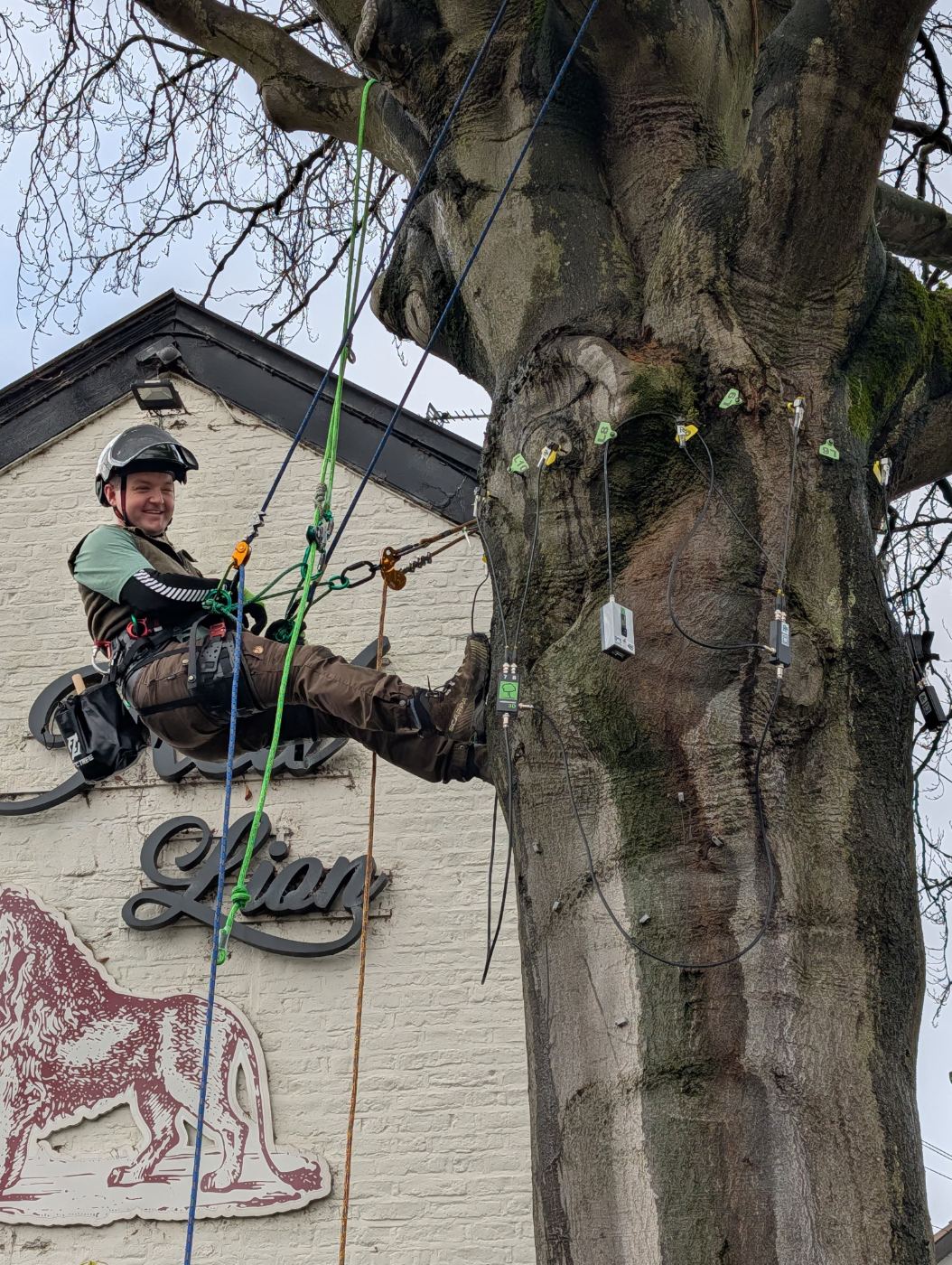
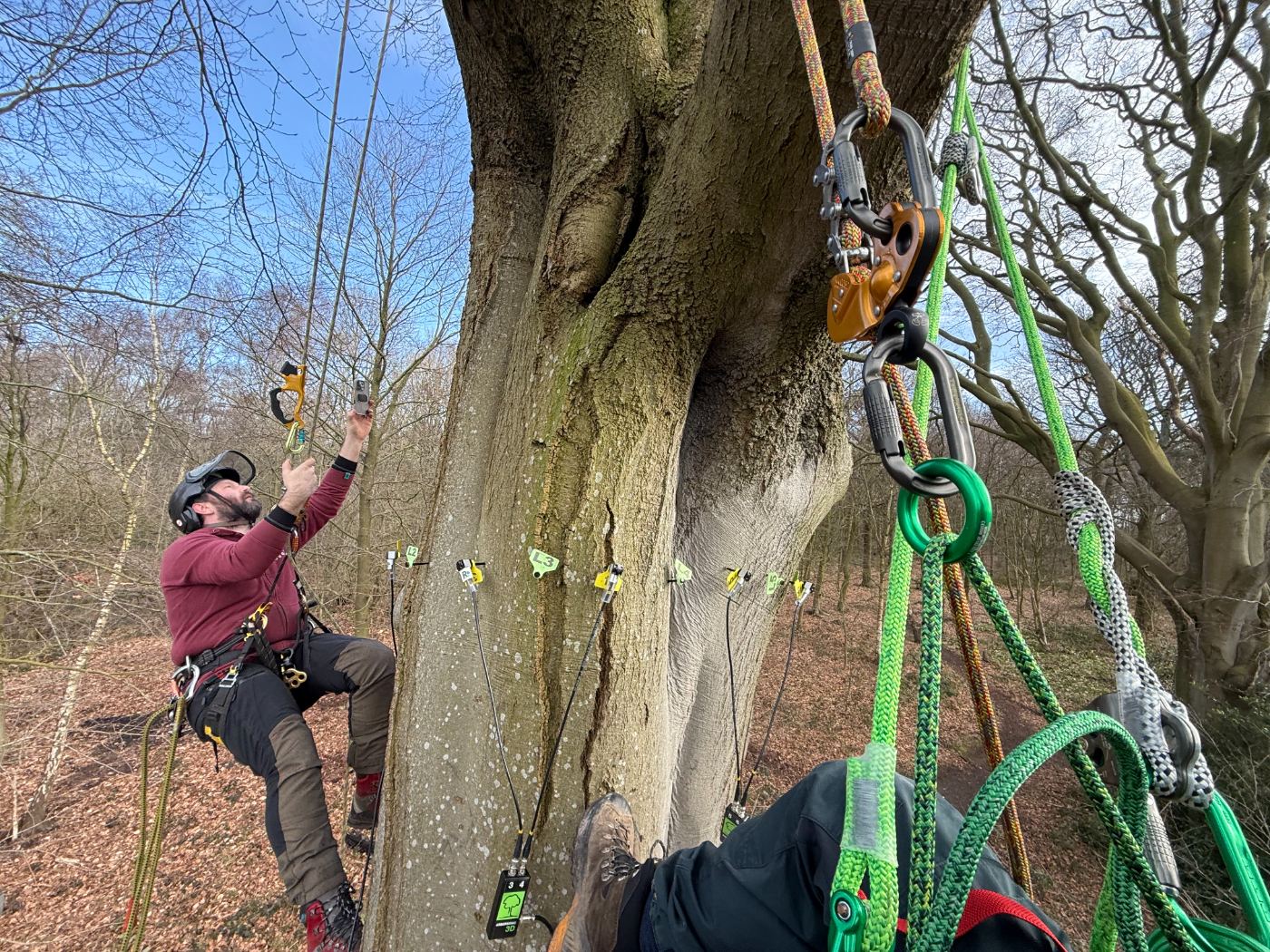
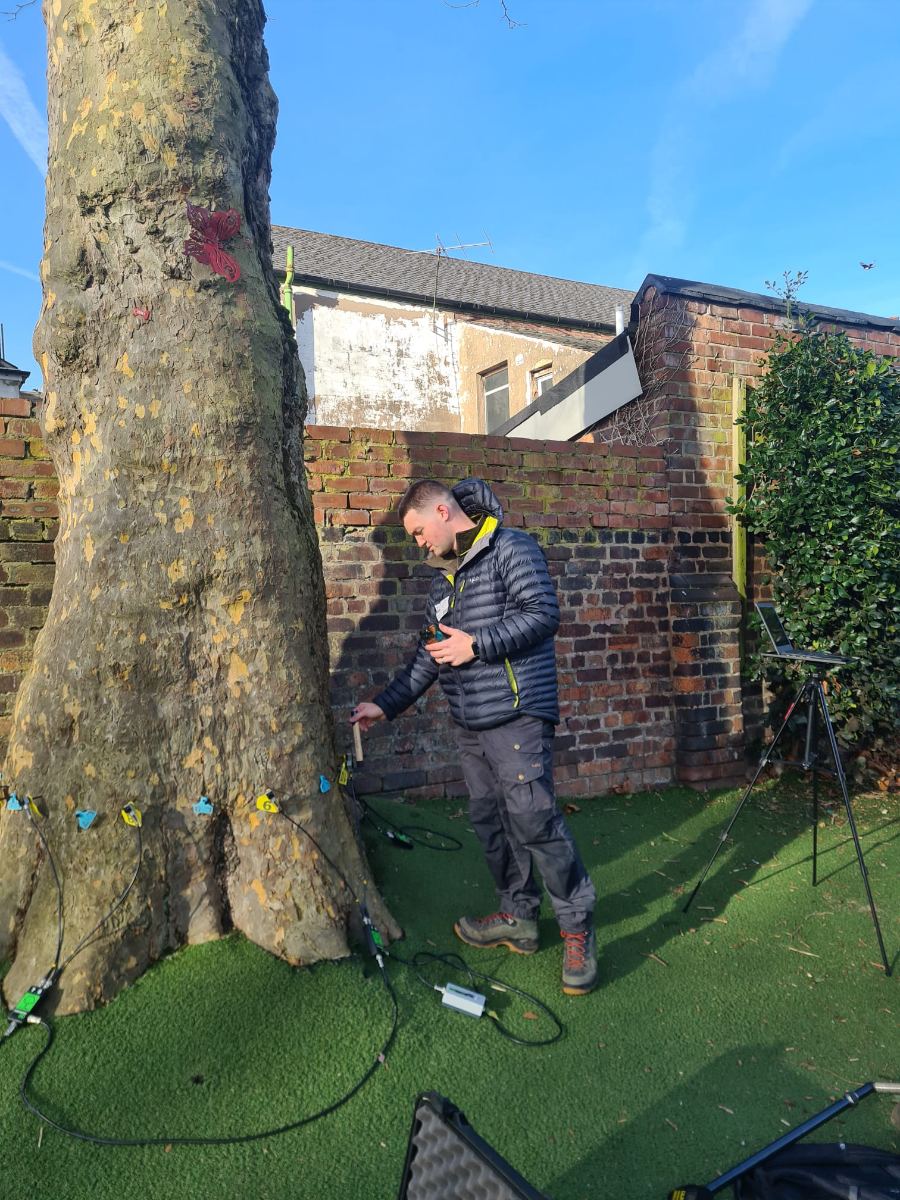
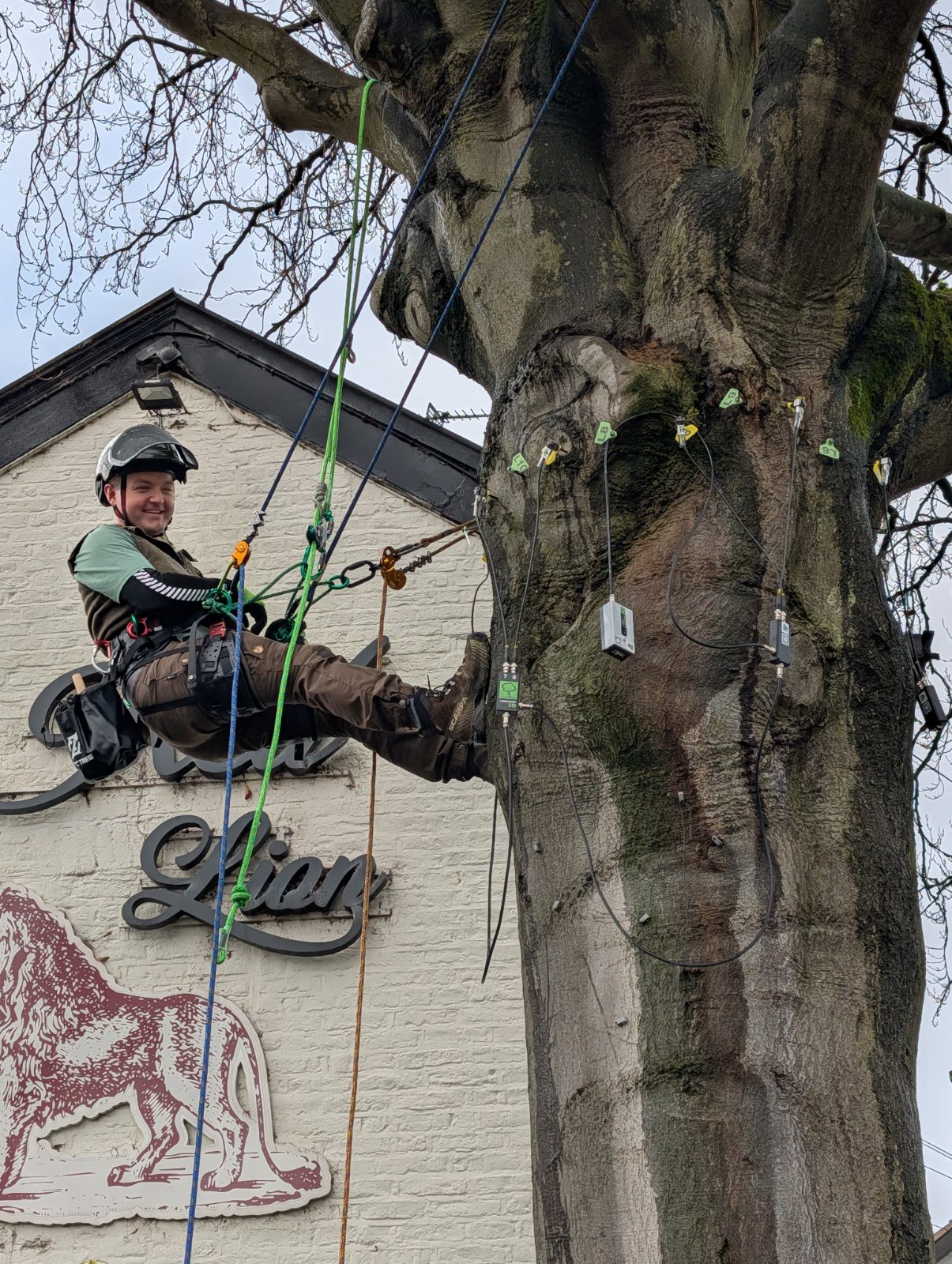
QTRA and TRAQ risk quantification, with sonic tomography, resistograph and aerial inspection when a visual assessment cannot settle it.
QTRA, ISA TRAQ, THREATS, NTSG guidance About this service 04Tree Preservation Order and Conservation Area Applications
Section 211 notices and TPO consent applications, with the arboricultural justification an officer can agree with.
Town and Country Planning (Tree Preservation) (England) Regulations 2012, section 211 About this service 05Mortgage, Homebuyer and Subsidence Tree Reports
Reports for lenders, insurers and solicitors on tree influence, clay shrinkage and subsidence risk, answering the retention your surveyor has flagged.
NHBC Standards Chapter 4.2, BRE Digest 298, BS 5837:2012 About this service 06LOLER Inspection of Climbing and Rigging Equipment
Independent thorough examination of climbing and rigging equipment, reported item by item with the inventory managed for you.
LOLER 1998 and PUWER 1998 About this serviceIf you control the land, you own the risk.
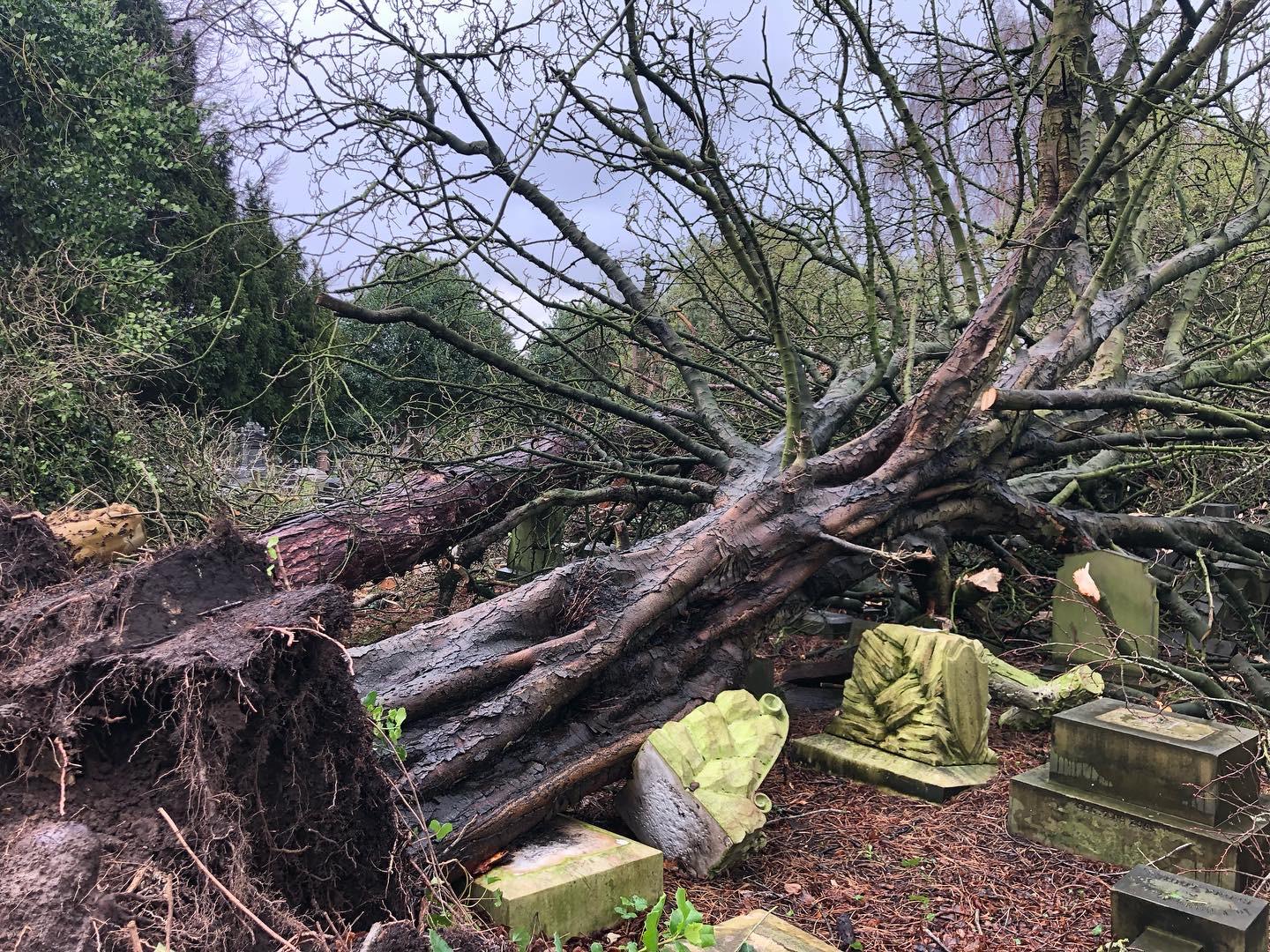
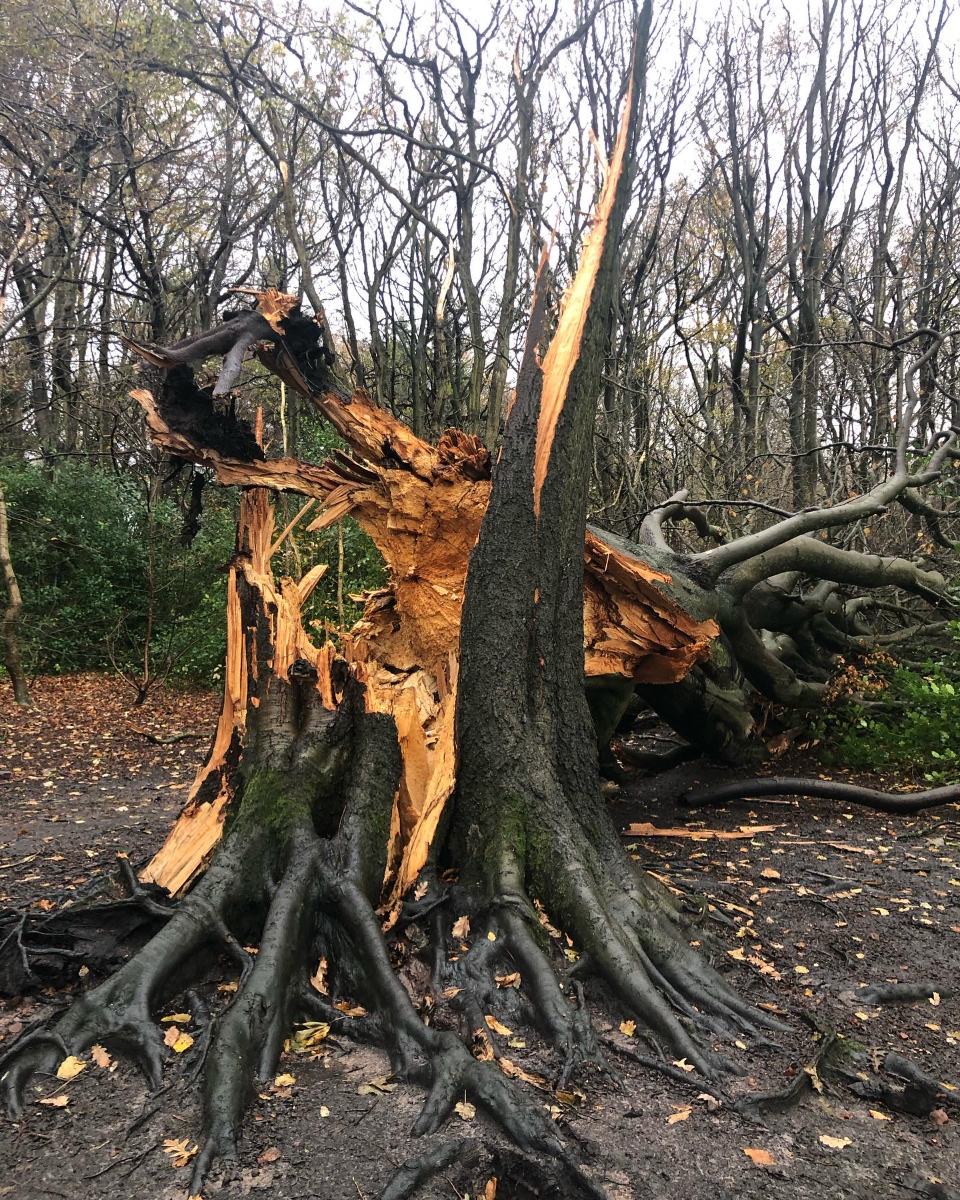
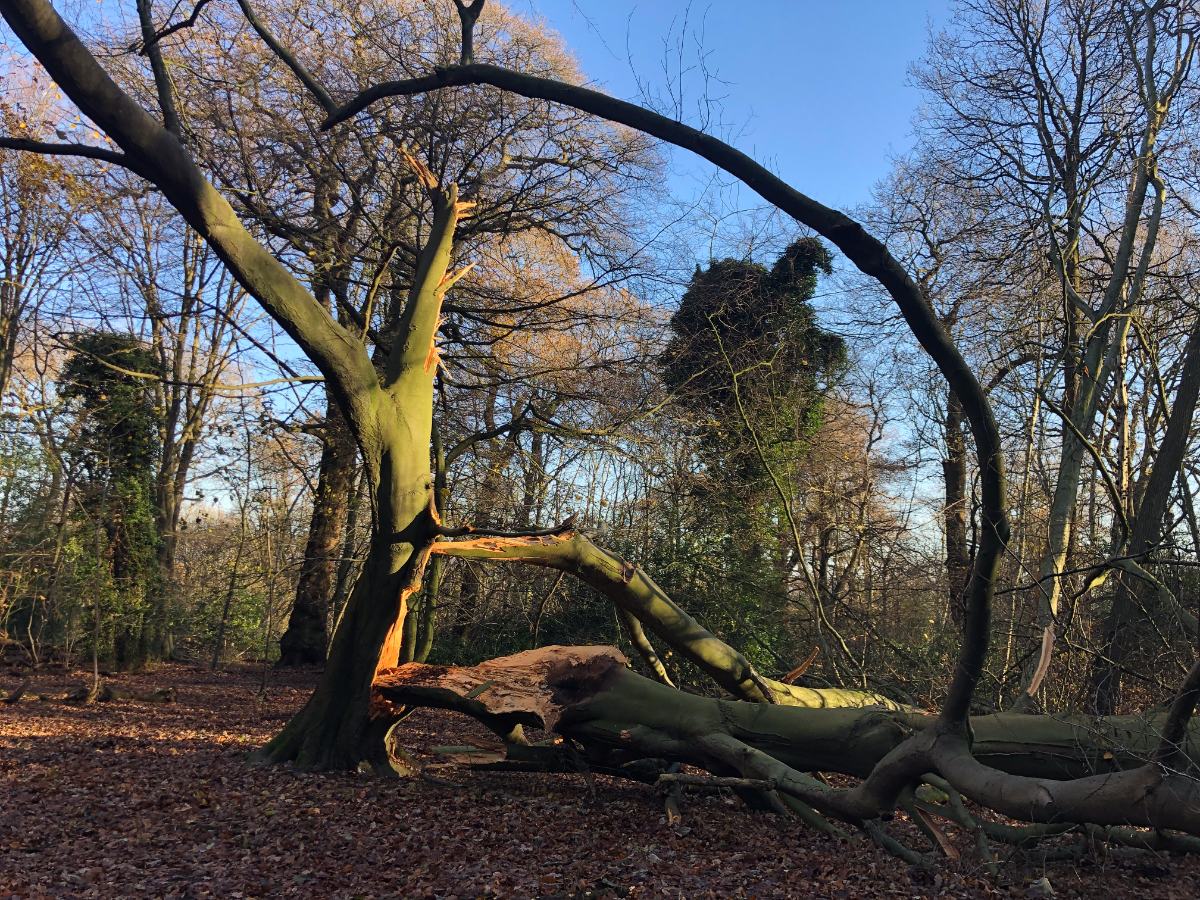
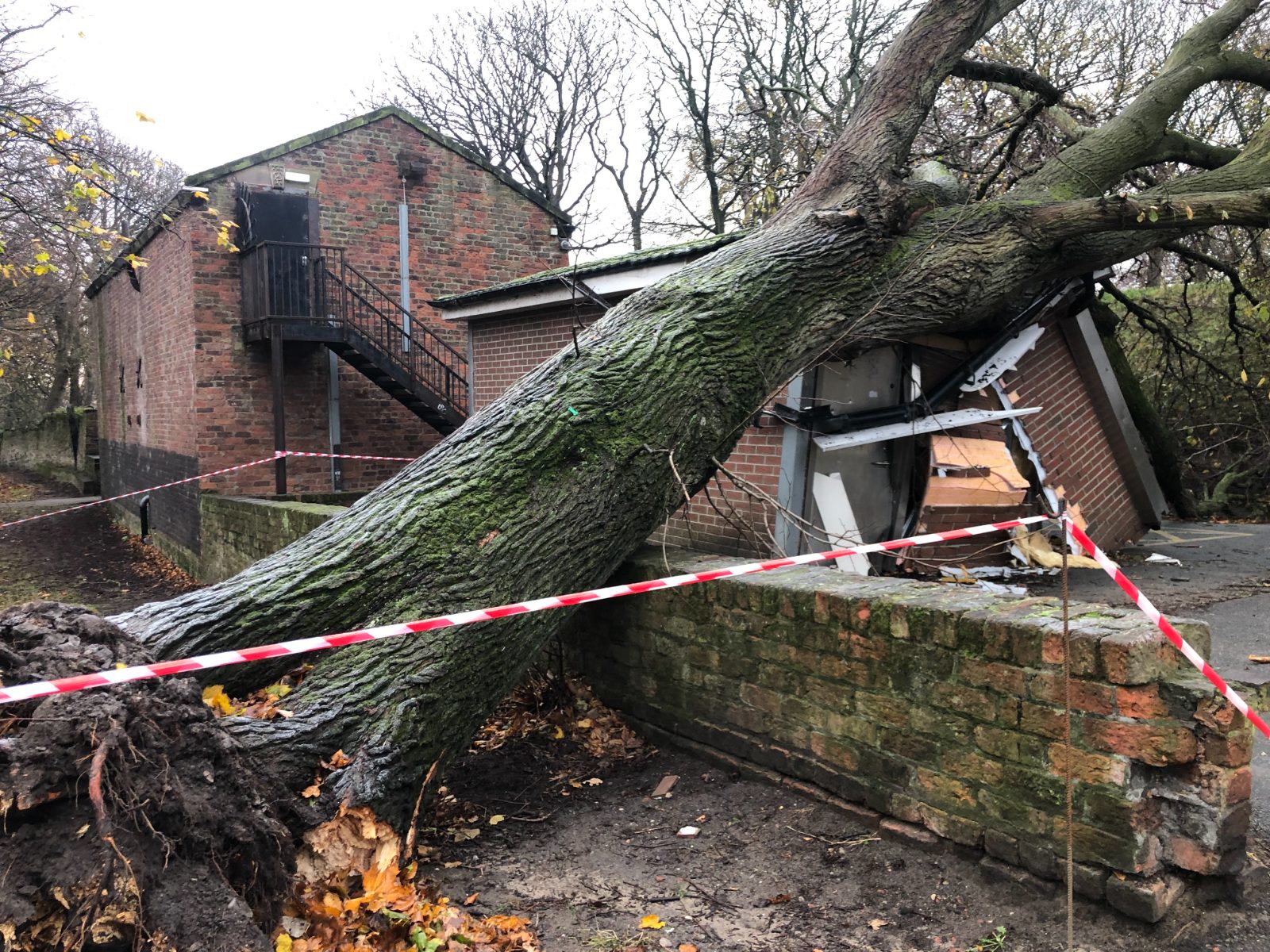
Most organisations discover their tree obligations after something falls. Three pieces of legislation account for almost every claim we are asked to comment on.
Your trees are part of your premises, in law as much as your car park.
The 1957 Act sets a duty to take such care as is reasonable to see that visitors are reasonably safe. The 1984 Act extends a narrower duty to people who are not visitors at all, which matters wherever a site has informal access. A tree that fails onto a person or their property is a premises failure, and the question asked afterwards is not whether the tree was safe but whether your system of inspection was reasonable.
Establish a proportionate inspection regime: zone the site by how often people are there, survey to VTA principles, quantify with QTRA, and record both the findings and the reasoning behind the interval you set. The record is what defends you.
Trees next to the highway carry a duty that runs in both directions.
Where a tree overhangs a road or footway so as to endanger or obstruct passage, or where a tree is dead, diseased, damaged or insecurely rooted and could fall onto the highway, the highway authority may serve notice requiring works. Owners of adjacent land carry the underlying common law duty, and highway authorities carry it for their own stock. Both positions are tested the same way after an incident.
Zone the network by target occupancy and concentrate inspection effort where vehicles and pedestrians are. We write the strategy so the inspection interval is defensible, not just the works schedule.
Duty to employees and to everyone else affected by what you do.
Sections 2 and 3 place duties on employers toward their own staff and toward people who are not employees but who may be affected. For trees the HSE position, developed through the National Tree Safety Group, is that the overall risk from trees is low and management should be proportionate. That cuts against both extremes: doing nothing is indefensible, and felling everything is neither required nor sensible.
Set a written tree safety policy with a defined survey scope, a zoning method, a re-inspection cycle and an audit trail. Where equipment is in use, LOLER thorough examination completes the picture.
Survey, evidence, report, aftercare.
Brief and fixed price
You tell us the site, the purpose and the deadline. We come back with a fixed price and a realistic survey date. No discovery call, no staged proposal.
Field survey
Ground based assessment to VTA principles, with positions captured on RTK GNSS to within half a metre and data recorded live in TreePlotter. Heights by hypsometer, diameters by tape, nothing estimated that can be measured.
Escalate where the question is open
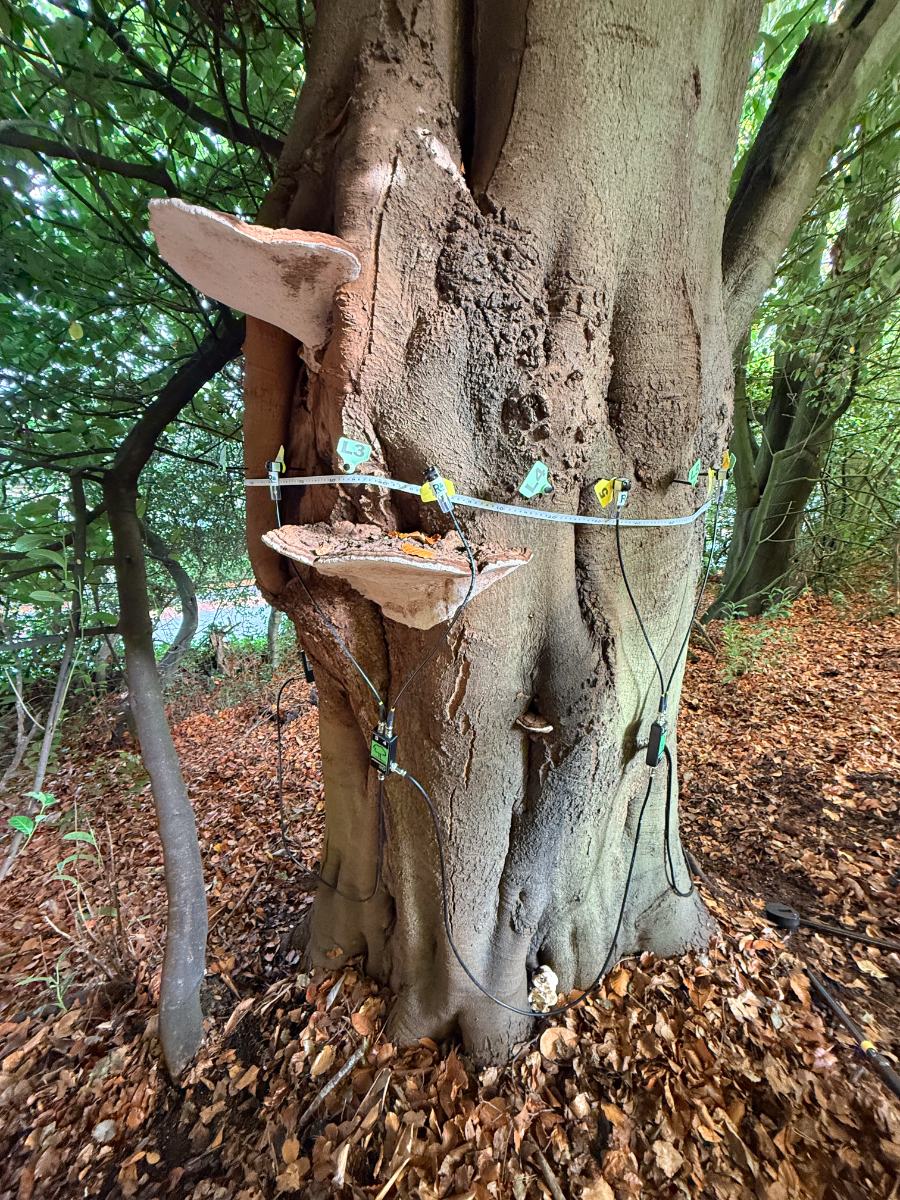
Where a visual assessment cannot settle it, we say so and price the next step before doing it. Sonic tomography, resistograph or aerial inspection, chosen for the defect rather than by default.
Analysis and risk quantification
Risk quantified with QTRA against real target occupancy, works prioritised by urgency, and re-inspection intervals set per tree rather than applied as a blanket figure.
Report and mapping
A report written for the person who has to act on it, with the full data schedule, an A3 site map, and the reasoning behind each recommendation set out rather than implied.
Aftercare
Questions from your officer, insurer or contractor answered as part of the job. Re-inspection dates flagged when they fall due, and your data updated rather than resurveyed from scratch.
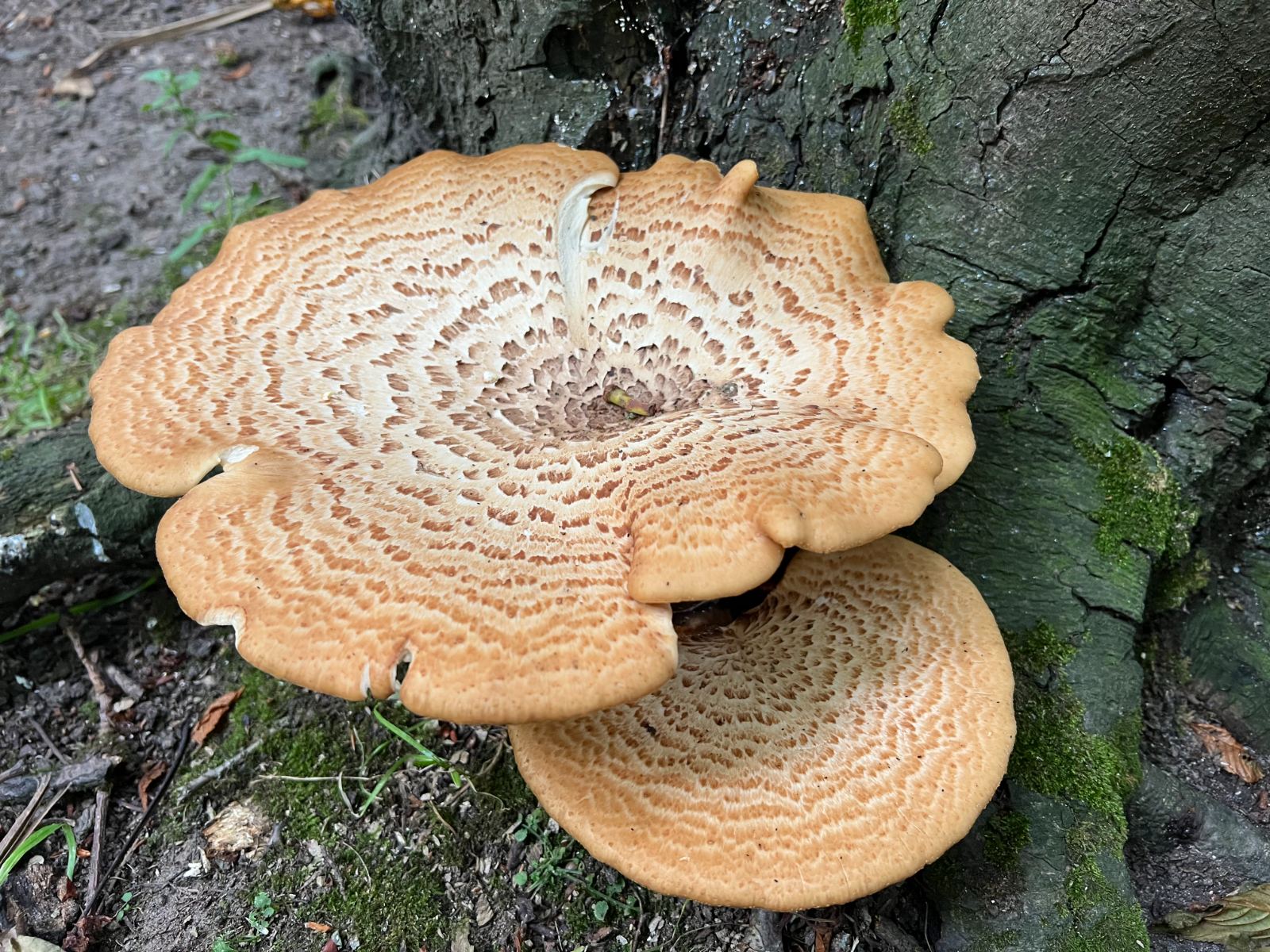
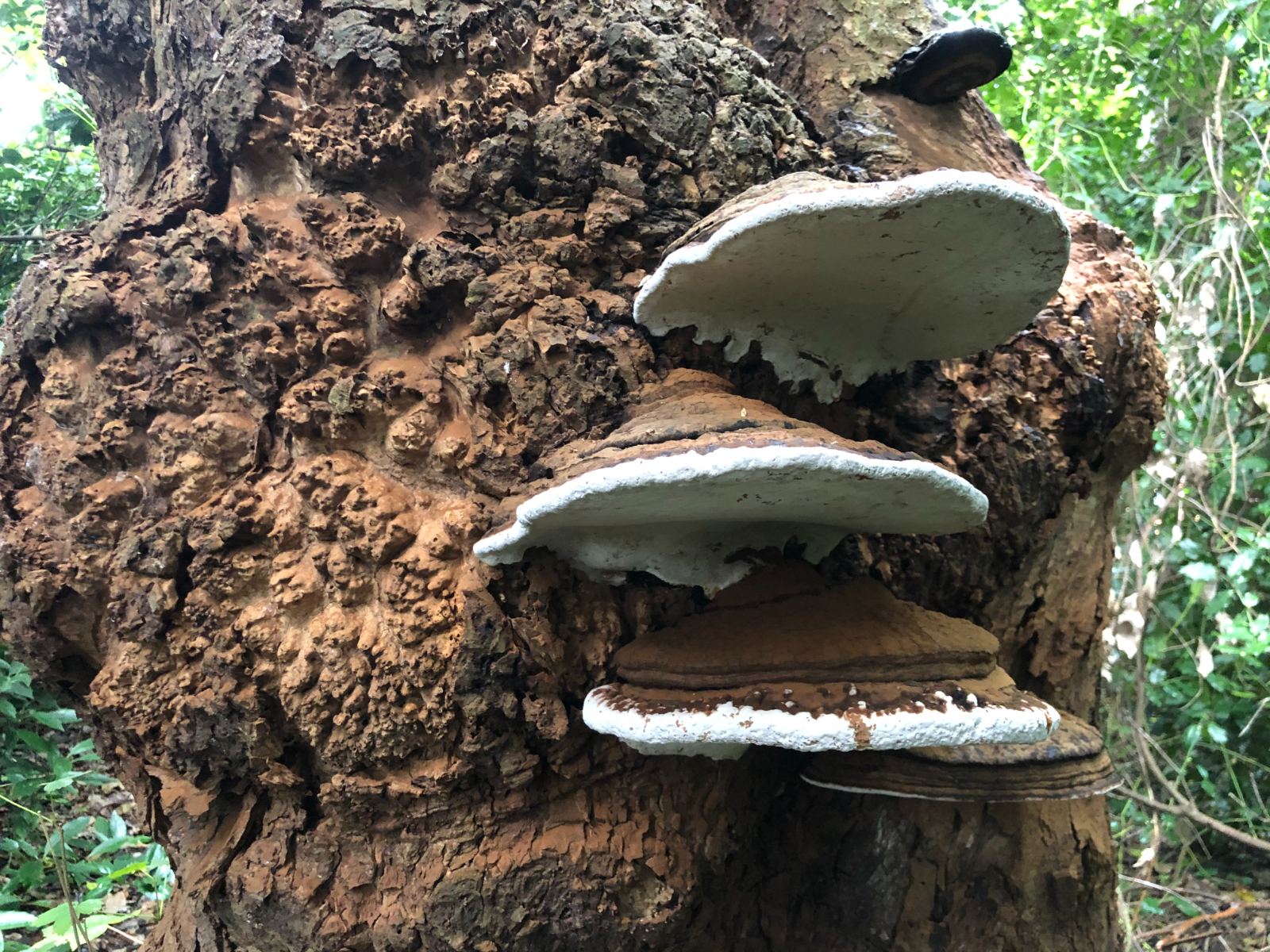
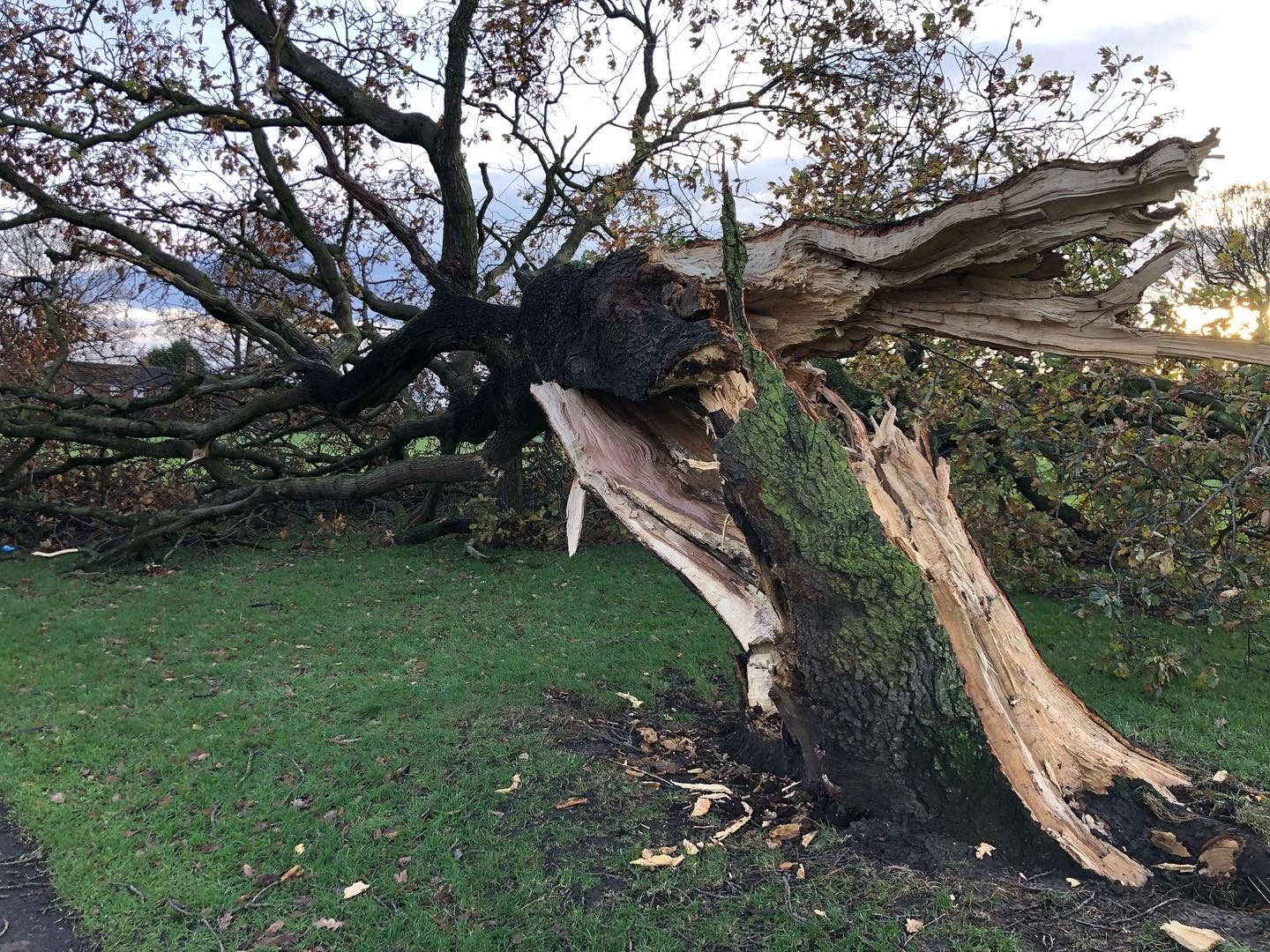
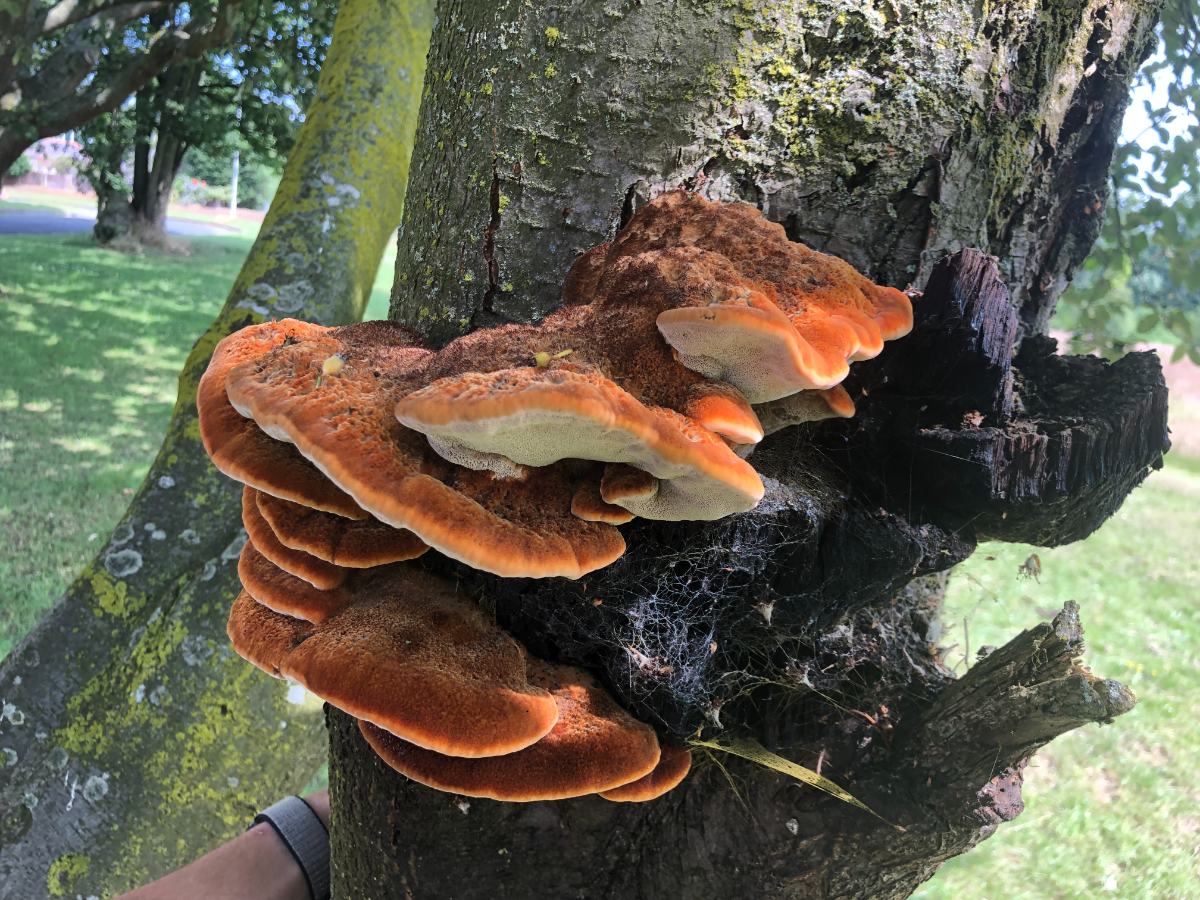
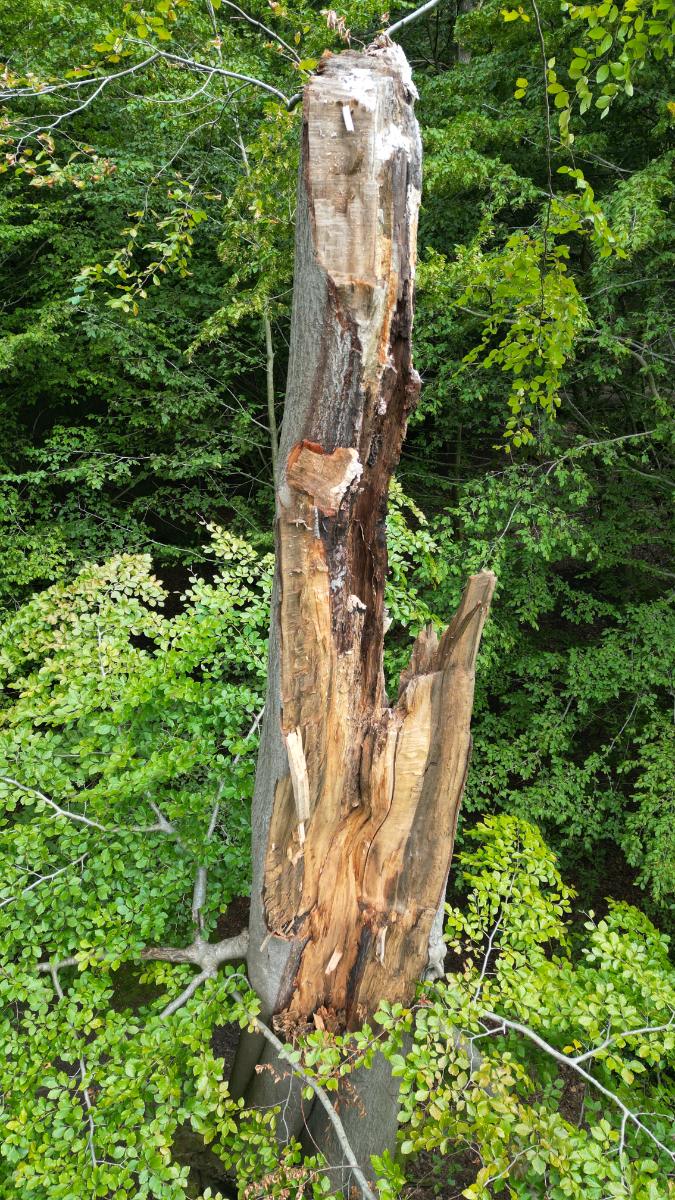
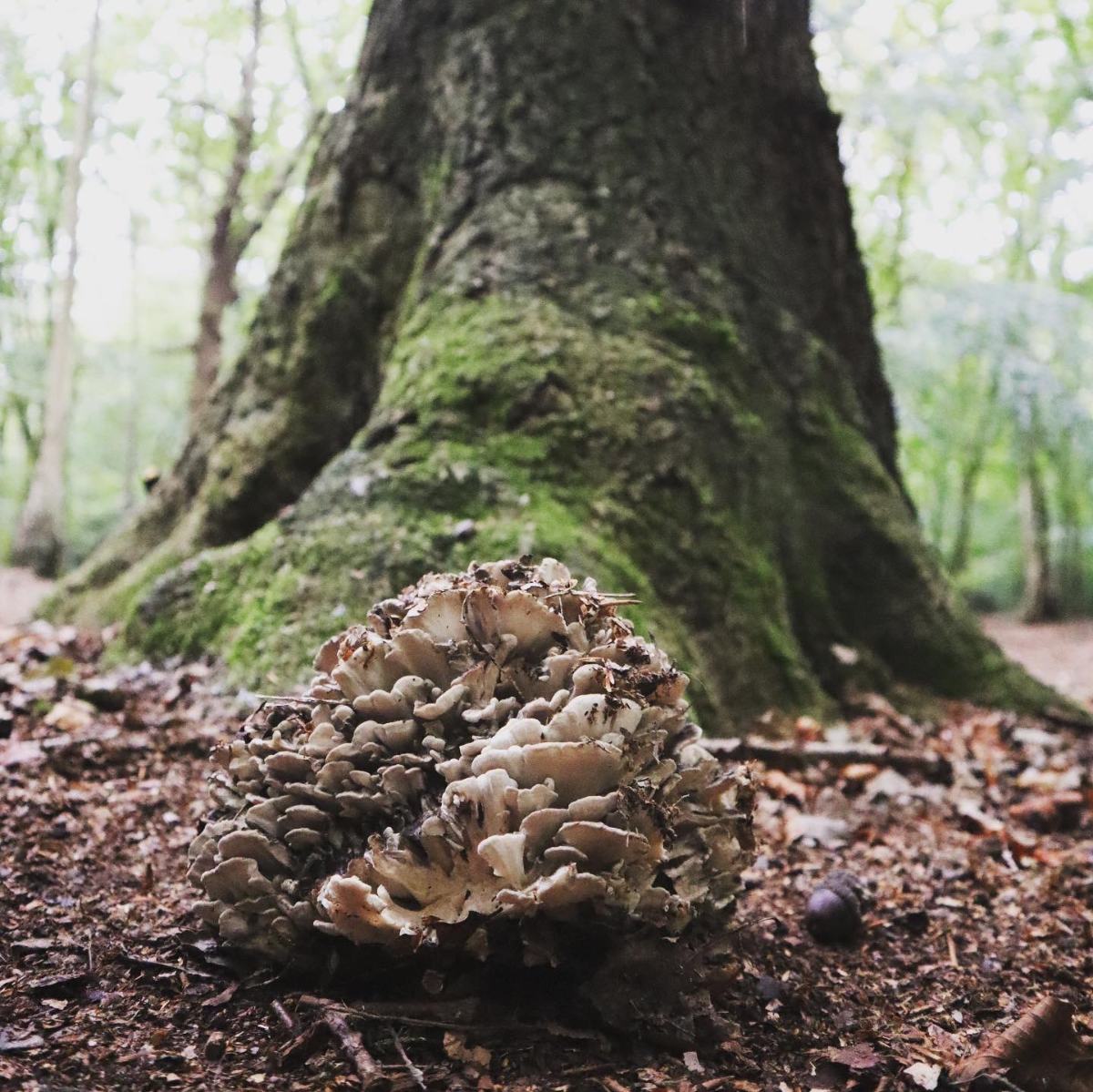
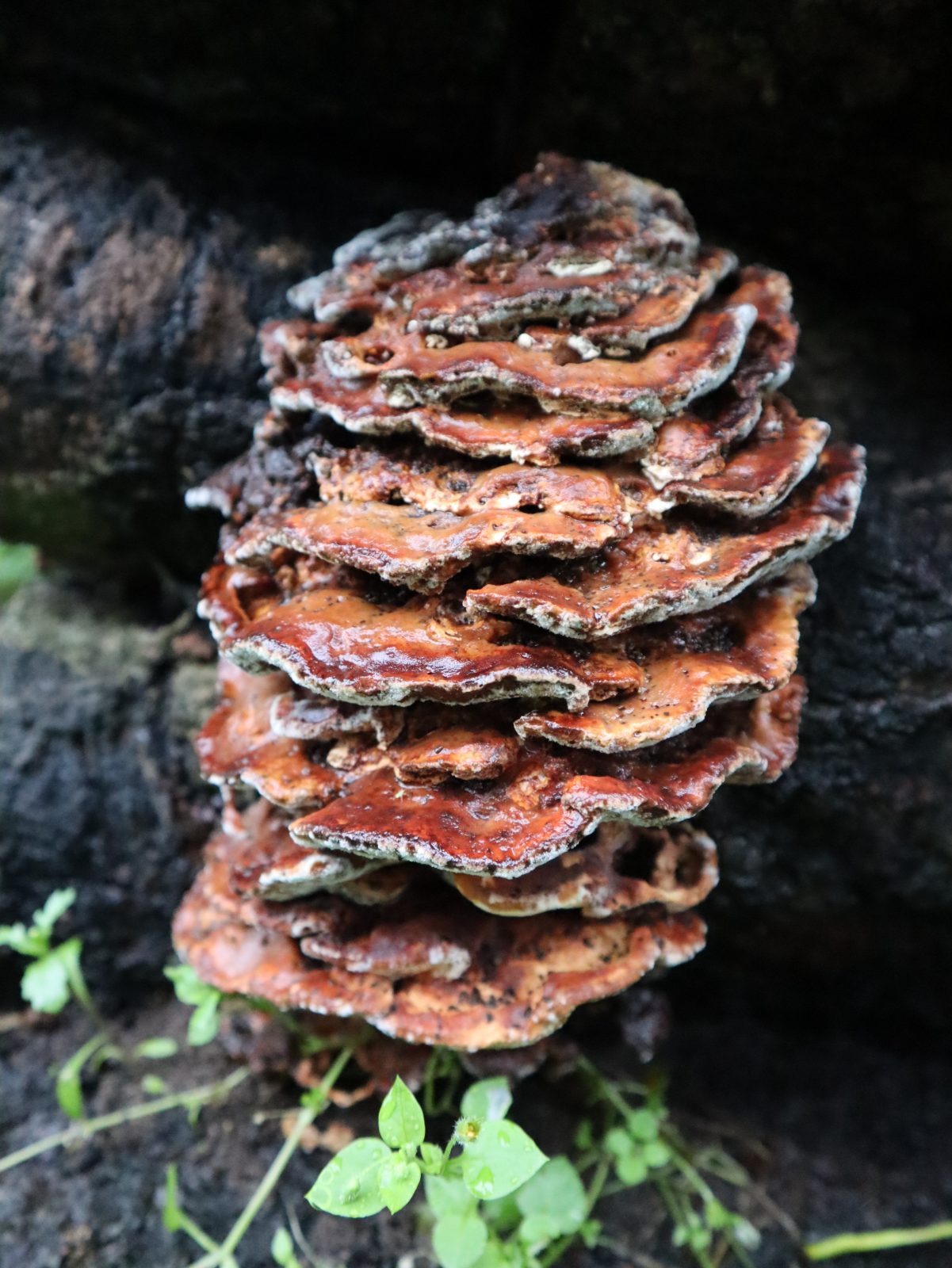
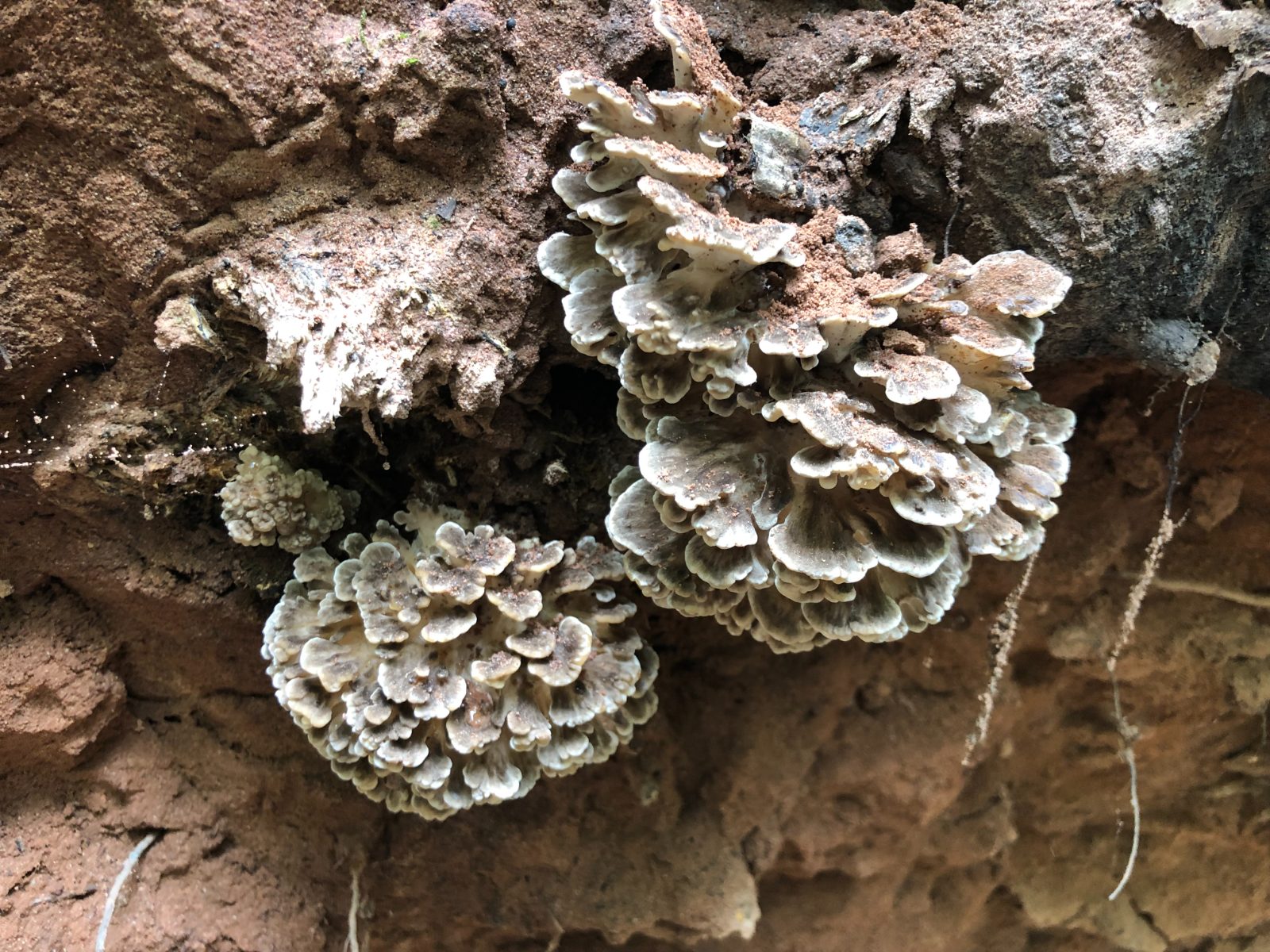
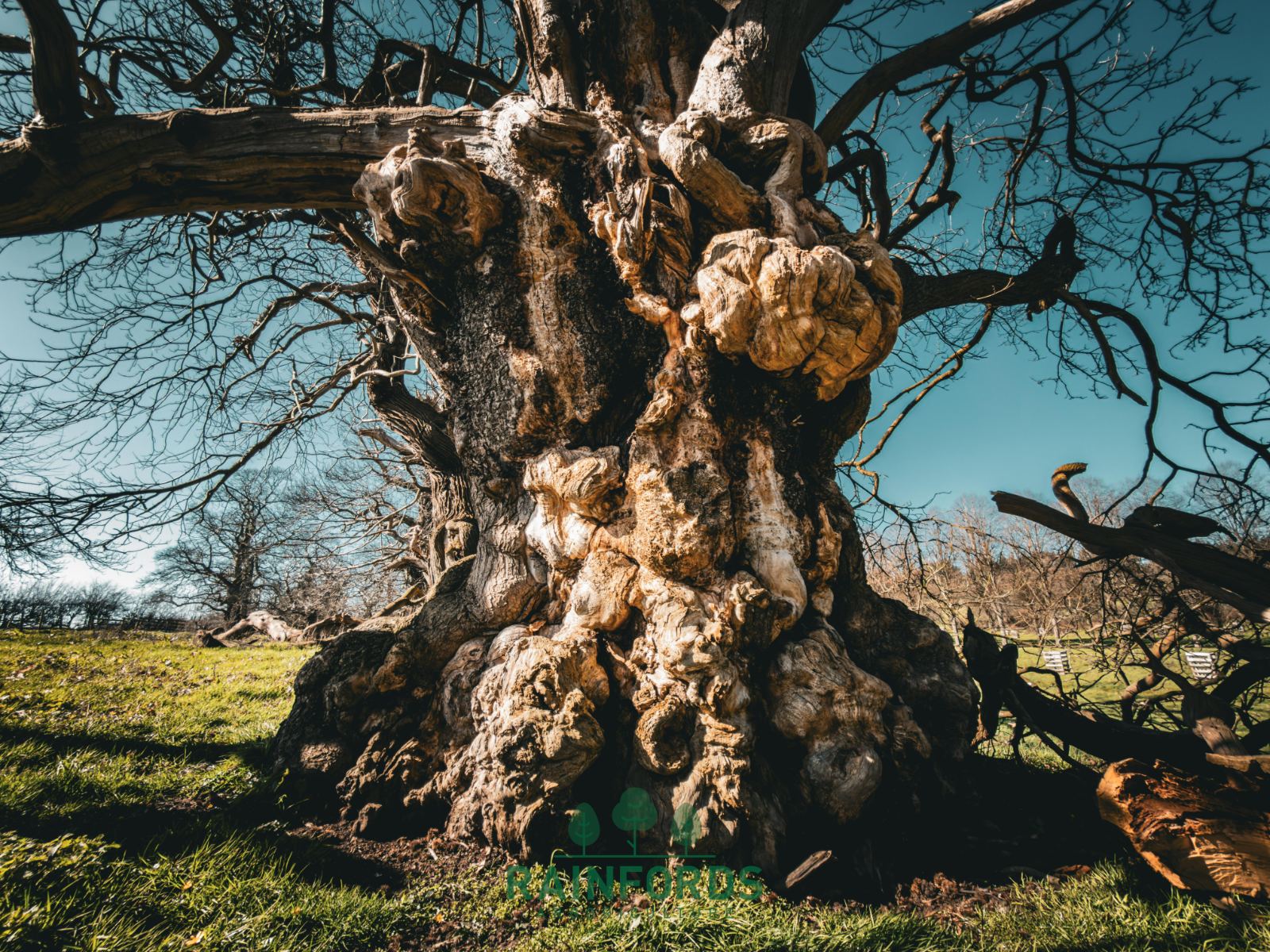
What a survey is actually looking at.

North West core. Nationwide for programmes.
Day to day instructions come from Lancashire, Greater Manchester, Merseyside and Cheshire, close enough to return when something changes on site. Multi site programme work takes us across the country.
Within roughly an hour of St Helens: Liverpool, Manchester, Warrington, Wigan, Preston, Chester and the towns between. Most single site and domestic work sits here.
Qualified to say so.
Our Principal Consultant holds a Level 6 BSc (Hons) in Arboriculture and is a professional member of the Arboricultural Association, a LANTRA Professional Tree Inspector, a QTRA registered user and ISA TRAQ certified.
Tell us the site and the deadline.
You get a fixed price and a realistic survey date back, not a discovery call.