Tree risk assessment and decay detection
QTRA and TRAQ risk quantification, with sonic tomography, resistograph and aerial inspection when a visual assessment cannot settle it.
Tree risk is quantifiable, and quantifying it is what makes a decision defensible. We assess with QTRA and TRAQ, zone sites by real target occupancy, and set inspection intervals with the reasoning written down. Proportionate management, in the sense the HSE and the National Tree Safety Group use the word.
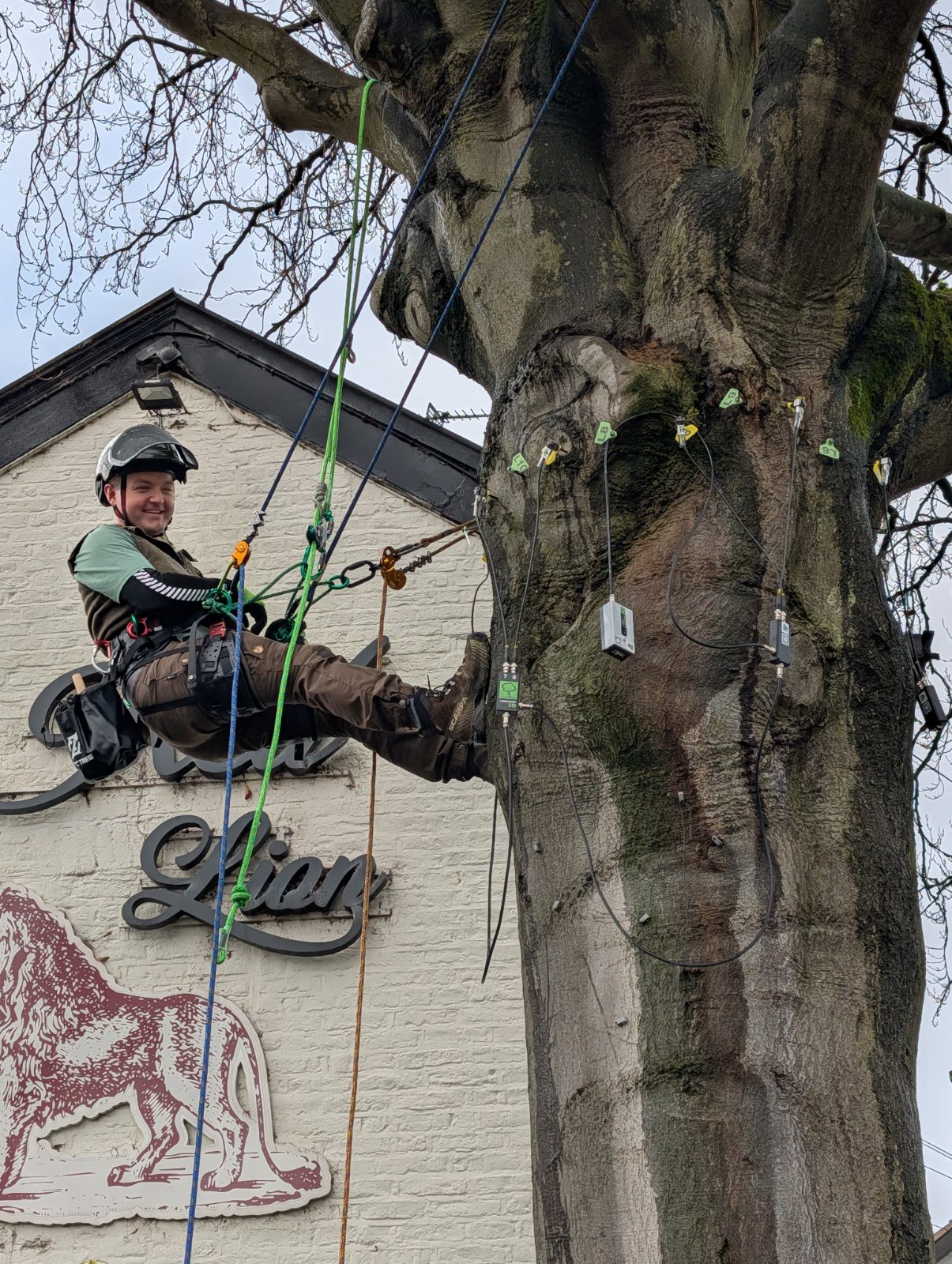
Where the visual assessment cannot resolve a question, we escalate to instruments. Sonic tomography and resistograph drilling measure residual wall thickness instead of estimating it, and the resulting safety factor is interpreted against wind loading and target. Measured this way, trees are retained as readily as they are condemned.
What the work involves.
Quantifying rather than estimating
A risk judgement expressed as high, medium or low tells you nothing about how it was reached. QTRA resolves risk into three measurable components: the probability of failure, the size of the part that would fail, and the occupancy of the target beneath it. The output is a number against a threshold, which means two assessors working the same tree should reach the same place, and means the decision survives being questioned later.
Zoning by real occupancy
The same tree carries very different risk over a school playground and over a field. Zoning a site by how often people and vehicles are present concentrates inspection effort where it changes outcomes, and it is the step that lets an inspection interval be defended as proportionate rather than arbitrary. This is the approach the National Tree Safety Group sets out and the HSE endorses.
When instruments are warranted
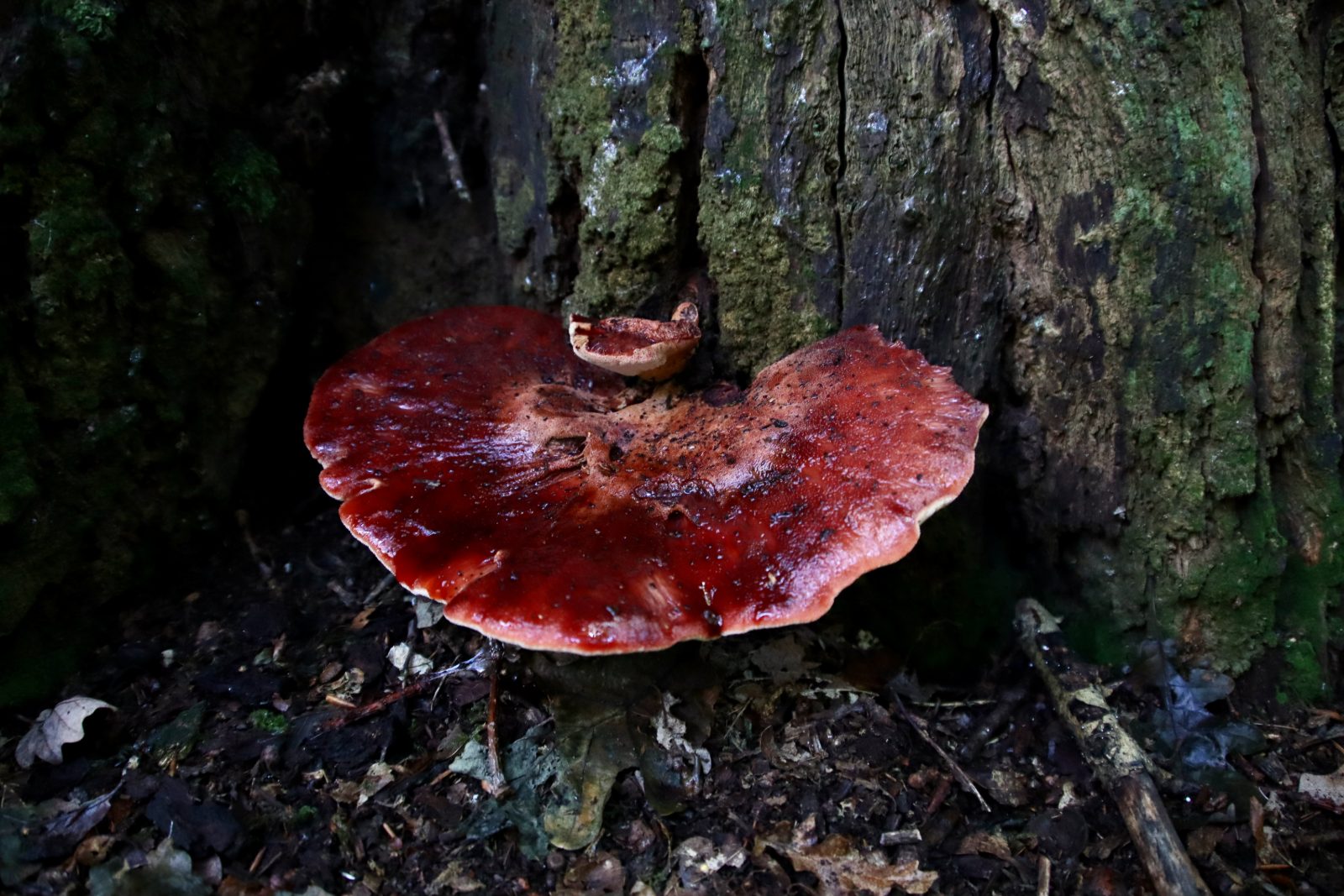
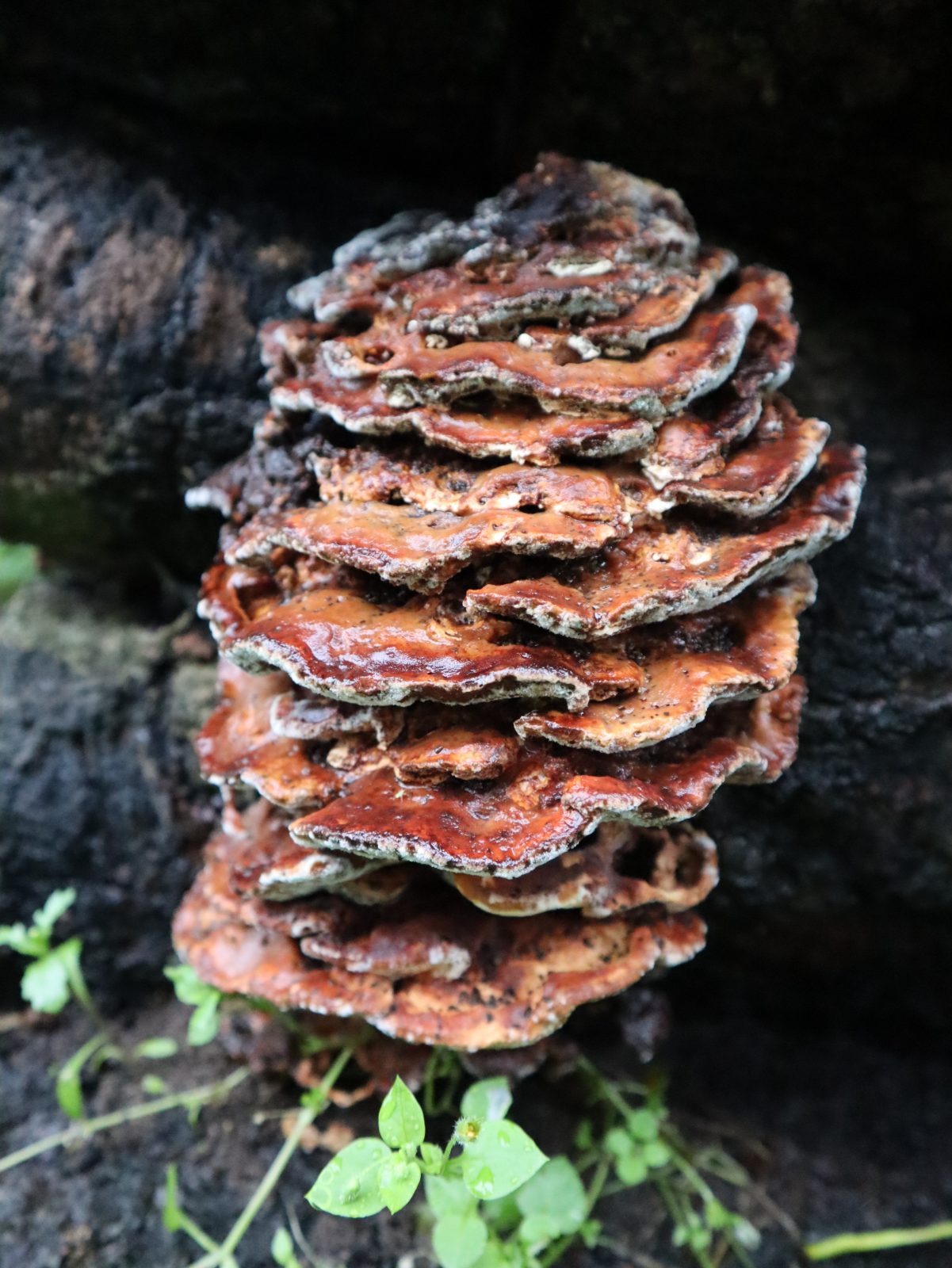
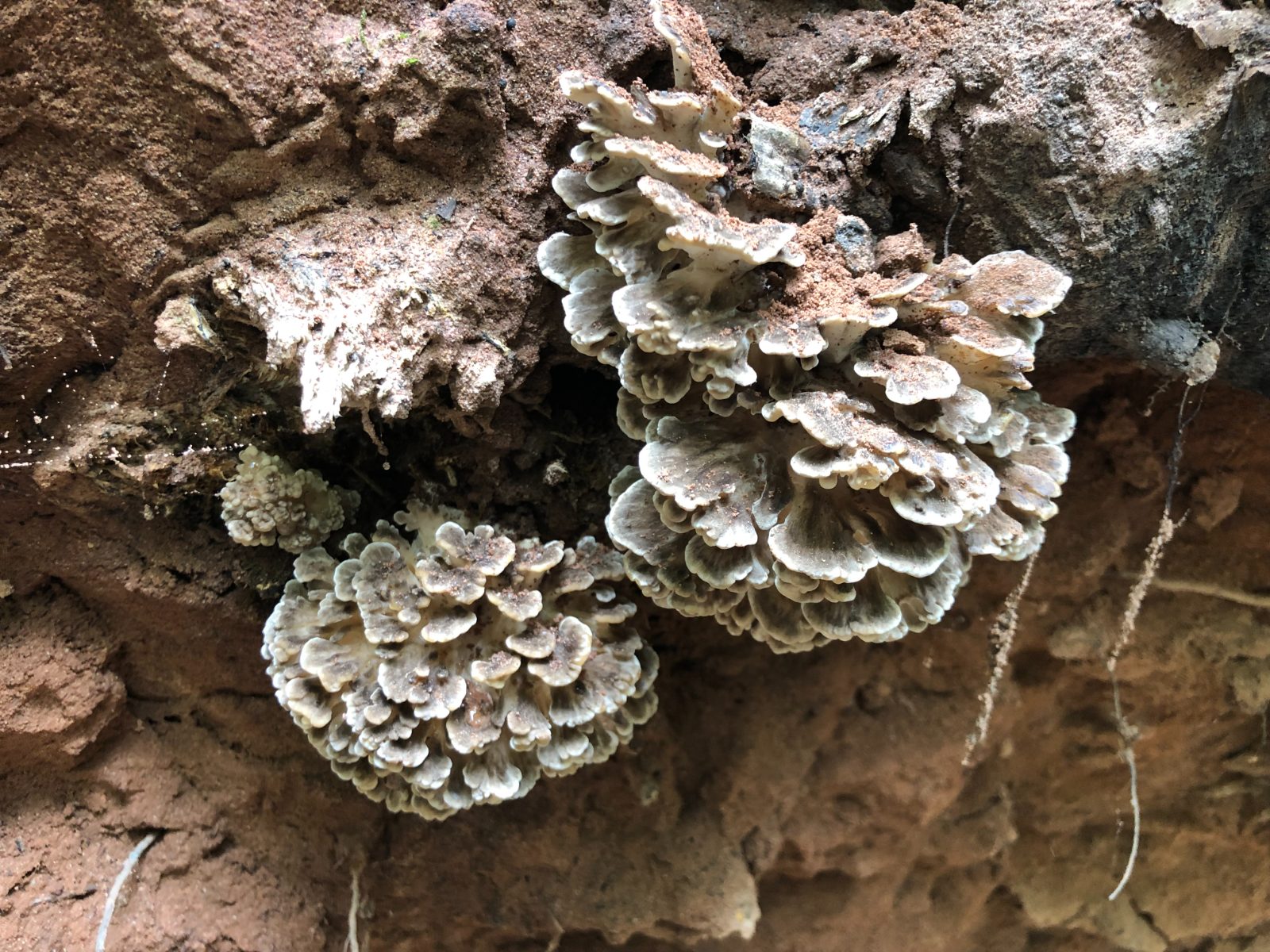
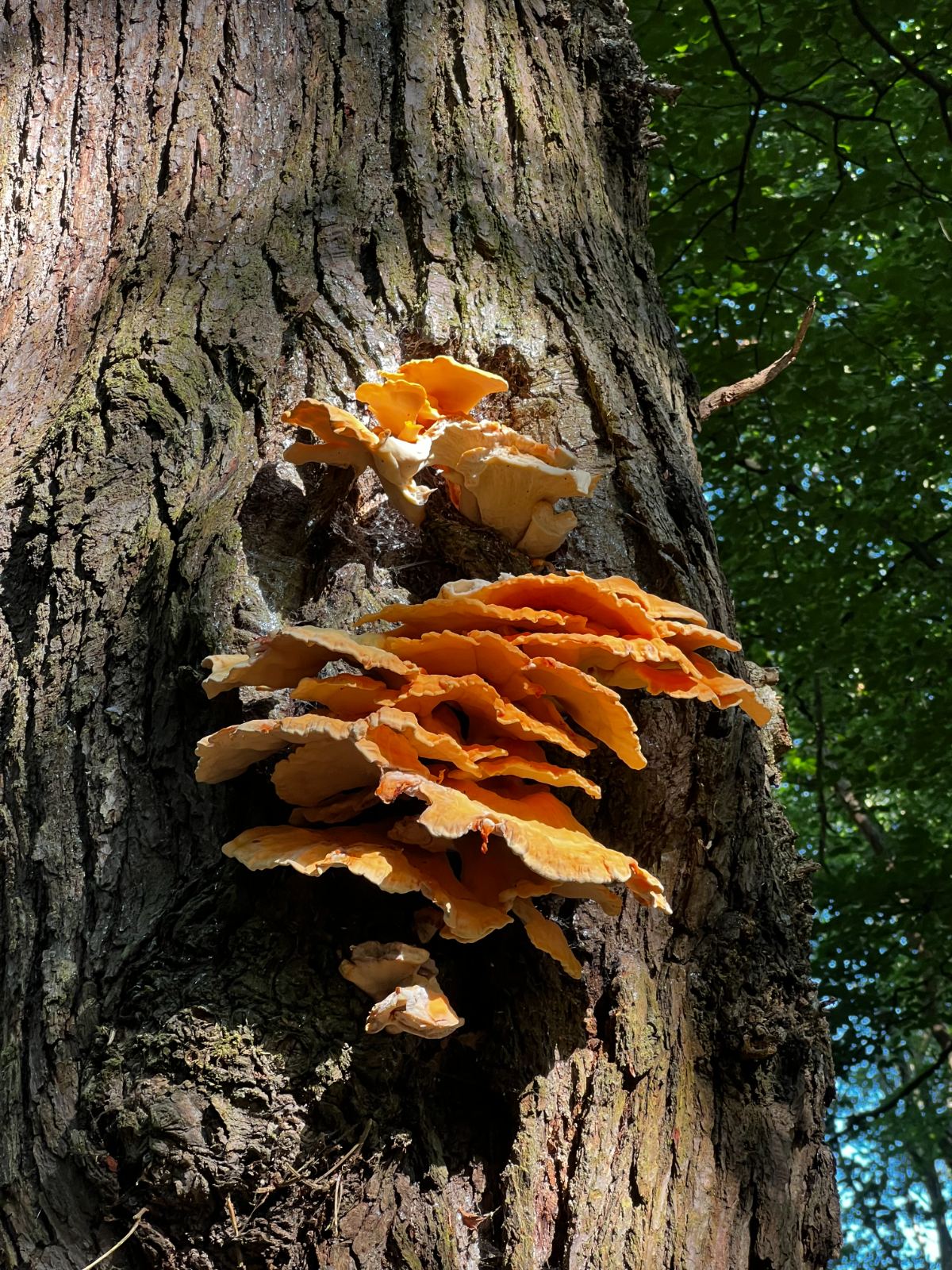
A cavity, a fungal bracket, an old wound or a history of failure raises a question a visual assessment cannot always close. Sonic tomography maps internal condition at the scan height and resistograph drilling confirms residual wall thickness at a specific point. The residual wall and the calculated safety factor are then read against wind loading and the target below, so the retention or removal decision rests on measurement.
What the report has to defend
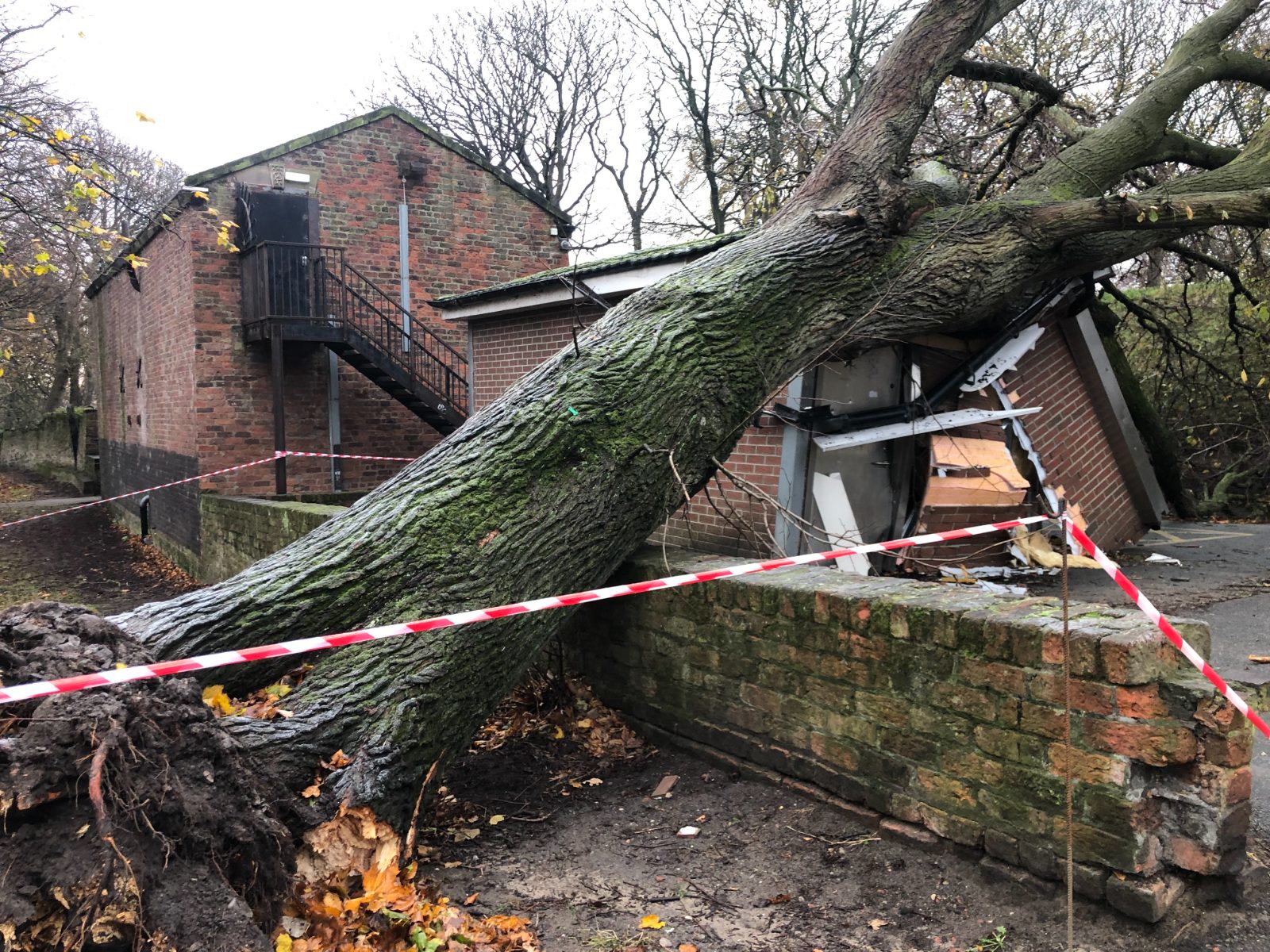
After an incident, the inspection interval you chose is scrutinised as closely as the tree that failed. Our reports therefore record the reasoning behind the interval and the priority, not just the finding, and state the position on proportionate risk in the terms the relevant guidance uses. That is what turns a survey into evidence.
Questions about this service.
If yours is not here, ask it directly. We would rather answer before you commission than after.
Ask a questionWhat does sonic tomography tell you about a tree?
Sonic tomography maps the internal condition of the stem at the scan height, showing where sound wood remains and where decay has progressed. Combined with residual wall thickness and a safety factor calculation, it turns a subjective judgement about a cavity into a measured one.
What is QTRA?
Quantified Tree Risk Assessment is a system for expressing tree risk as a number rather than an impression. It combines the probability of failure, the size of the part that could fail and the occupancy of the target beneath, and compares the result against a threshold of acceptable risk. Our Principal Consultant is a registered user of the system.
Does a decay cavity mean the tree has to come down?
Frequently not. Trees compartmentalise decay and many stand safely for decades with a hollow stem, because strength depends on the thickness of the sound wall rather than on the presence of a cavity. Measuring that wall is precisely why the instruments exist, and it retains trees as readily as it condemns them.
Tell us the site and the deadline.
You get a fixed price and a realistic survey date back, not a discovery call.